Background
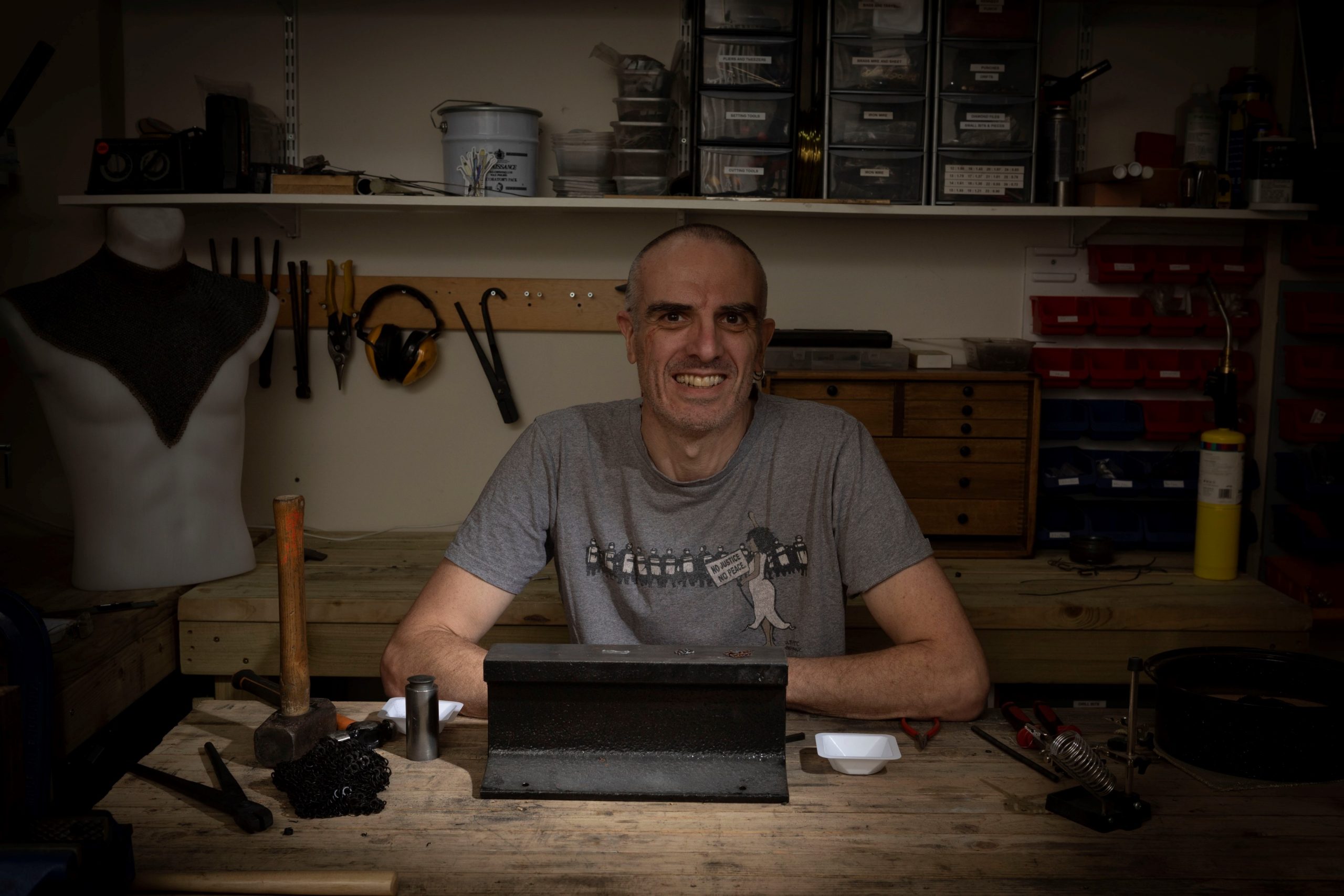
I am Professor Phil Parkes, an accredited Conservator-Restorer.
I have been based in Cardiff in the UK for over three decades. I have worked with National, regional and commercial archaeological organisations and museums carrying out on-site and post-excavation conservation for publications and display.
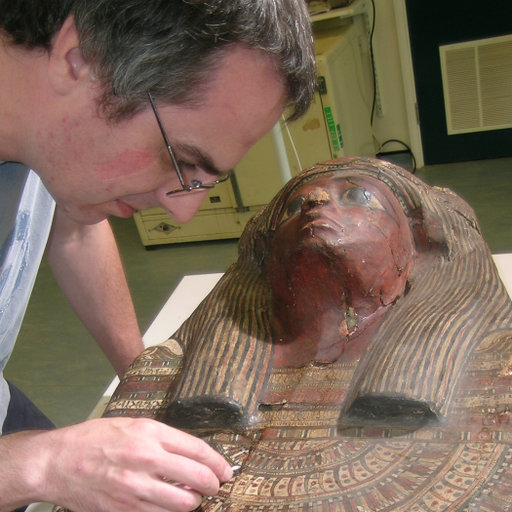
Objects conservation has included Bronze Age burial vessels, Egyptian coffins and grave goods, waterlogged Iron Age structures from Goldcliff, Roman metalwork and coin hoards, medieval glass and metal finds from Haverfordwest Priory and waterlogged leather objects from The Newport Ship.
I taught practical conservation, decision making and analysis of heritage materials to undergraduate and postgraduate students at Cardiff University for over 30 years.
So how did my mail-making start?
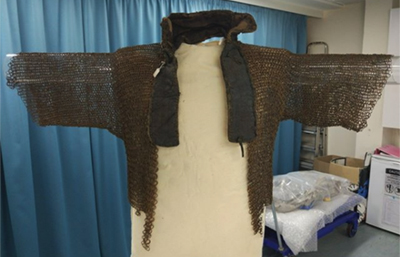
This mail shirt from Birmingham Museum & Art Gallery had been in the Cardiff University Conservation labs for a number of years.
Back in 2018 a student was assigned the shirt as a conservation project and started looking at how mail was manufactured with a view towards using traditional techniques to repair the damaged areas of the shirt.
I have always been interested in arms, armour and such like (RPGs such as D&D to blame…) and the manufacturing techniques looked fun. But where to find out more?
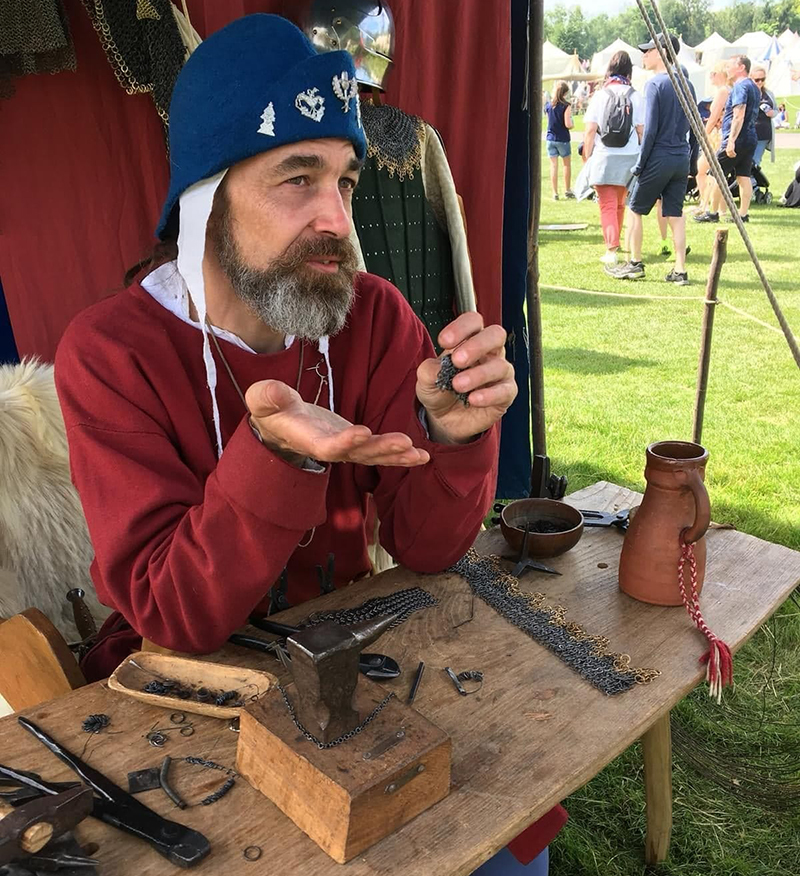
Luckily, also based in Cardiff was a great source of information – Mark Hale who runs Cap-a-Pie. Mark has been a re-enactor for many years and introduced me to Master mail maker Nicholas Checksfield.
Together they have produced a very informative documentary on the process for English Heritage. As a conservator I enjoy the challenge of intricate work and watching this film and seeing how painstaking the process was, this really appealed to me.
My first project was the standard (neck defence) based on the Wallace Collection A9.
This involved me researching the original item from published resources and online images, adapting and making tools to produce the rings with an authentic shape and many hours (about 650!) making rings and riveting them together to produce the finished item.
The finished item is almost identical to the original and it is this attention to detail that I pursue in my work.
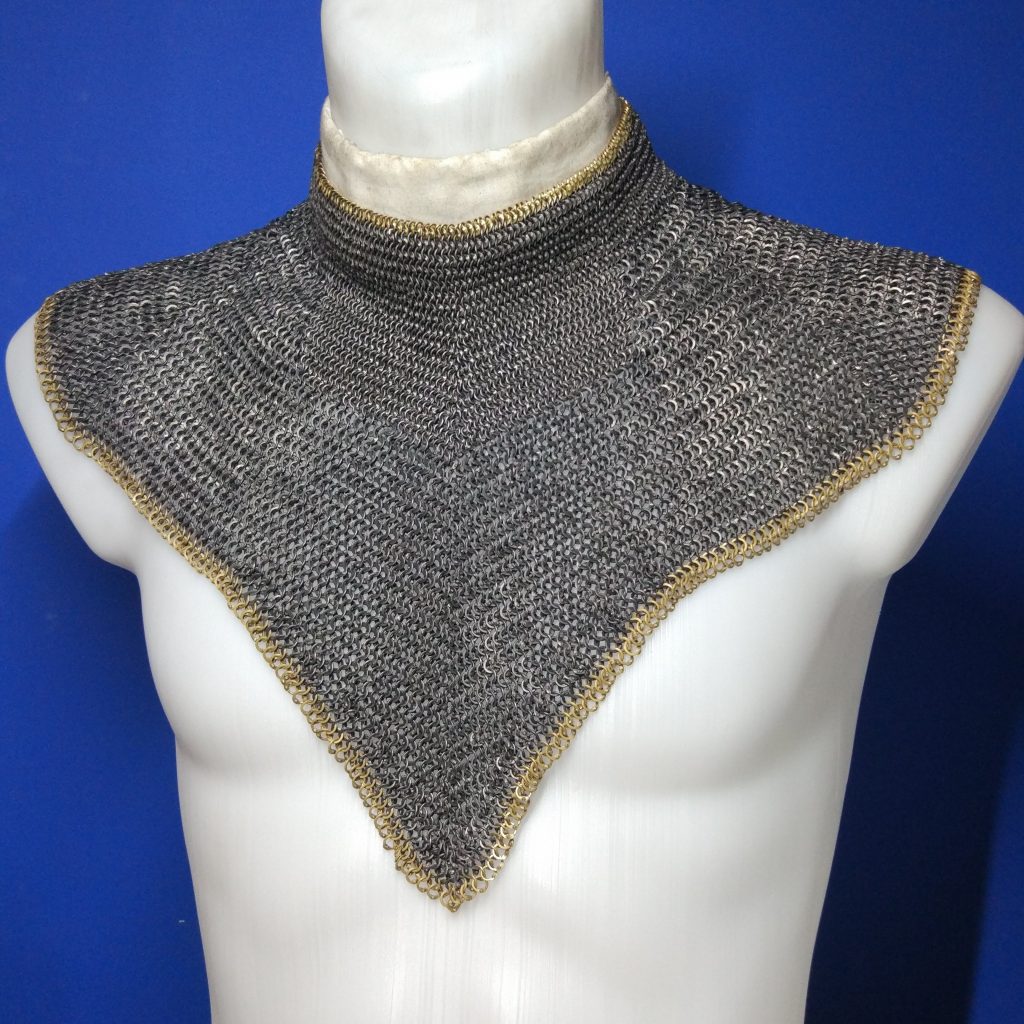
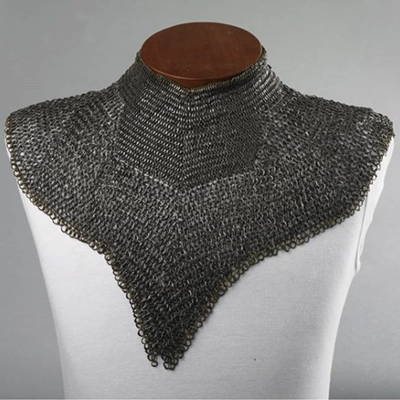
All of my armour, whether for use in battle or as display samples for museums and enthusiasts, are thoroughly researched and meticulously crafted to match the original specifications as closely as possible.
My mail has been used in weapons testing (Arrows vs Armour 2), worn by re-enactors in combat and jousts and displayed in exhibitions on Heritage Crafts.
I continue to make authentic armour for reenactors and museums as well as demonstrating the techniques of mail-making through workshops and events.
Check out my Linktree for details of upcoming events and workshops.